
The Transformation of AI: From Prediction to Action
Artificial intelligence has long been associated with predicting outcomes based on data. From forecasting weather to anticipating consumer behavior, AI’s strength lay in analyzing patterns and making educated guesses. Today, AI is moving beyond prediction. It is taking action, making decisions, and interacting with the world in ways that were once the realm of science fiction. This shift is changing industries, improving efficiency, and opening new possibilities for how humans and machines work together.

How AI Moved from Prediction to Action
The early days of AI focused on analyzing large datasets to identify trends and make forecasts. For example, AI models could predict stock market trends or customer churn rates. These predictions helped businesses plan but required human intervention to act on the insights.
The transformation began as AI systems gained the ability to:
Interpret complex environments using sensors and cameras
Make real-time decisions based on changing data
Execute tasks autonomously without human input
Advances in machine learning, robotics, and natural language processing enabled AI to interact with the physical and digital world directly. This means AI can now perform tasks such as driving cars, managing supply chains, or even conducting customer service conversations independently.
Practical Examples of AI Taking Action
Several industries showcase how AI’s shift to action is already impacting daily life and business operations.
Autonomous Vehicles
Self-driving cars use AI to perceive their surroundings, predict the behavior of other drivers and pedestrians, and make split-second decisions to navigate safely. Unlike traditional predictive models, these vehicles act on their environment continuously, adjusting speed, direction, and route without human control.
Smart Manufacturing
Factories employ AI-powered robots that not only predict maintenance needs but also carry out repairs or adjustments automatically. These systems monitor equipment health and intervene before breakdowns occur, reducing downtime and improving productivity.
Healthcare Assistance
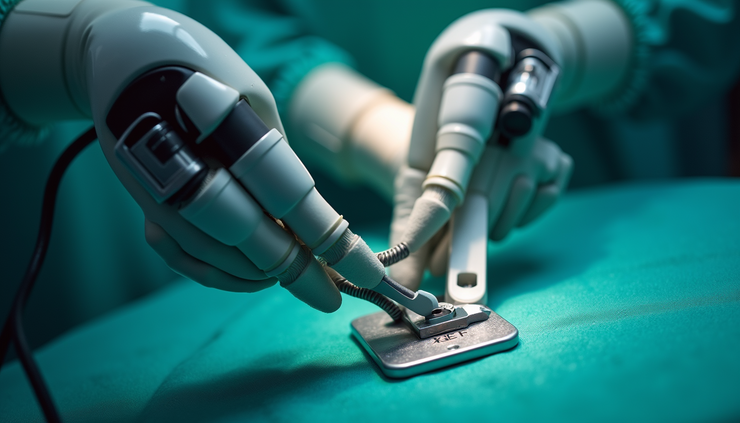
AI systems assist doctors by analyzing medical images and recommending treatments. Some AI-powered robots perform surgeries with precision, acting on real-time data during procedures. This hands-on role improves outcomes and expands access to specialized care.
Challenges in Moving from Prediction to Action
While AI’s ability to act autonomously offers many benefits, it also raises challenges:
Safety and reliability: AI must make decisions that are safe and predictable, especially in critical areas like transportation and healthcare.
Ethical concerns: Autonomous AI actions can affect privacy, fairness, and accountability. Clear guidelines are necessary to govern AI behavior.
Technical complexity: Real-time decision-making requires advanced algorithms and robust hardware to process data quickly and accurately.
Developers and regulators are working together to address these issues, ensuring AI systems act responsibly and transparently.
The Future of AI in Action
The trend toward AI-driven action will continue to accelerate. Emerging technologies will expand AI’s capabilities to:
Manage entire supply chains autonomously, from ordering materials to delivering products
Personalize education by adapting lessons and feedback instantly based on student performance
Support environmental monitoring by deploying AI-controlled drones and sensors that respond to changes in ecosystems
These developments will create new opportunities for efficiency and innovation across sectors.

What This Means for You
Understanding AI’s shift from prediction to action helps individuals and organizations prepare for the changes ahead. Here are some practical steps to consider:
Stay informed about AI advancements relevant to your field
Explore AI tools that automate routine tasks to save time and reduce errors
Consider ethical implications when deploying AI systems that make decisions affecting people
Invest in skills that complement AI, such as critical thinking and creativity
By embracing AI’s active role, you can unlock new possibilities and remain competitive in a rapidly evolving landscape.


Comments